
Common Generator Problems in Southern Virginia & When to Call for Expert Repair
Having a standby generator is one of the smartest investments a homeowner in Southern Virginia can make. With increasingly unpredictable weather, from summer thunderstorms to winter nor’easters, losing power can mean spoiled food, frozen pipes, uncomfortable nights, and disrupted routines. A Generac generator, installed and serviced by experienced technicians, gives you peace of mind that your home will stay powered when the grid goes down.
But even the best generators can run into issues over time. Knowing common problems, how to troubleshoot basic symptoms, and when it’s essential to call for professional help can save you time, money, and stress. In Southern Virginia, trusting a reputable service provider for generator repair ensures your unit performs when you need it most.
In this article, we’ll cover frequent generator issues residents face, signs you need maintenance or repair, simple care tips to extend generator life, how to choose the right repair service, why experience and credentials matter, and answers to common questions homeowners ask.
Why Generators Matter in Southern Virginia
Southern Virginia's climate contributes to frequent power outages. Thunderstorms, heat waves, tropical storms, and winter weather can all strain the electrical grid, leaving neighborhoods without power for hours or even days. For many homes and businesses, this isn’t just an inconvenience; it’s a risk.
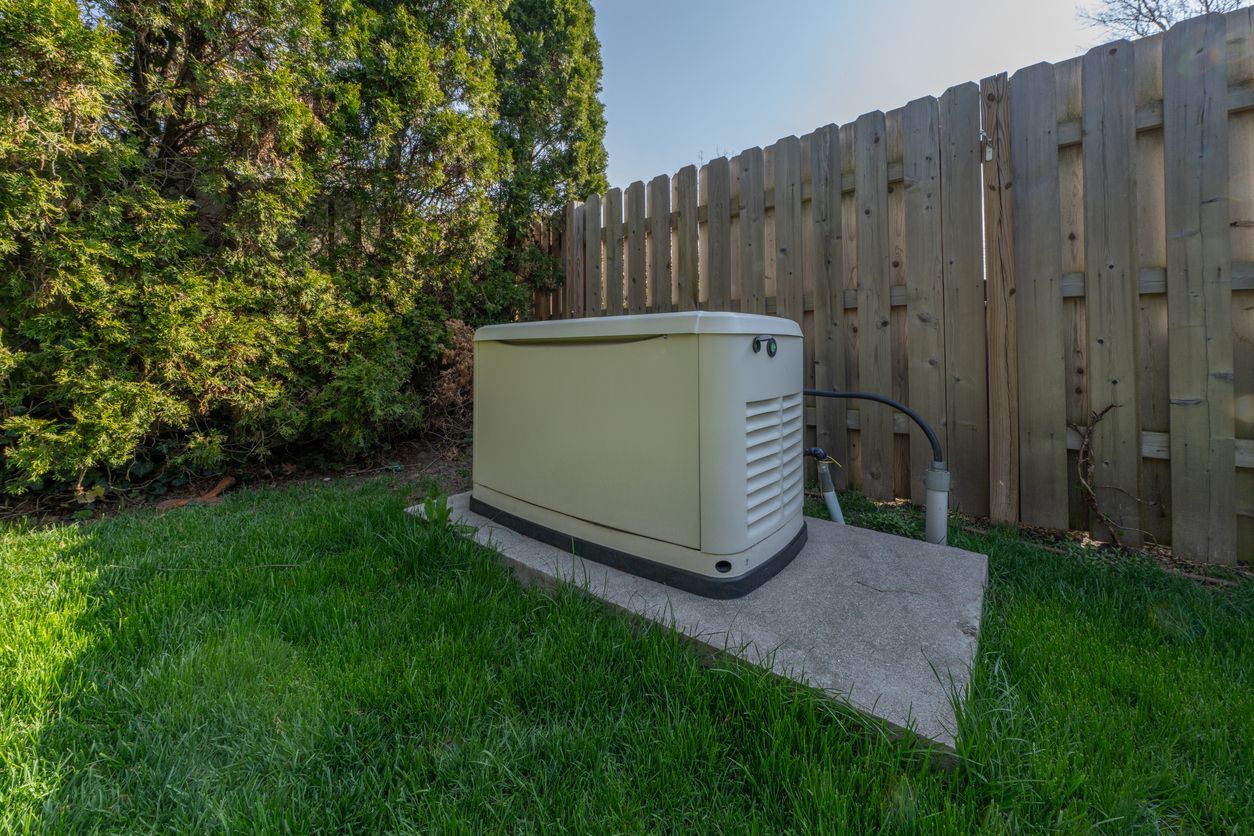
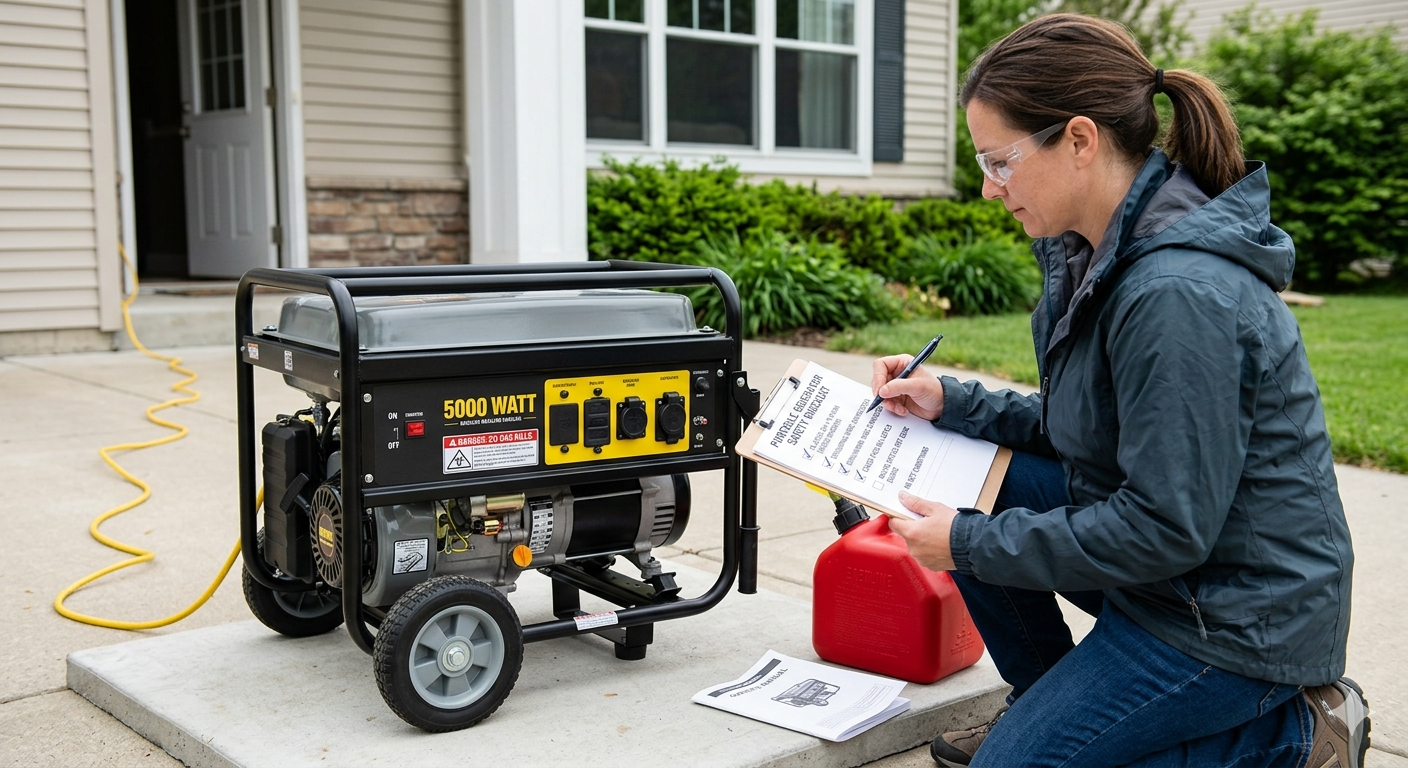
Whole-house standby generators, especially those from trusted manufacturers like Generac®, are designed to detect a loss of utility power and automatically turn on within seconds. Unlike portable units that require manual startup and refueling, standby systems connected to natural gas or propane provide seamless protection without daily oversight.
However, even the best systems need regular care and occasional repairs to stay reliable.
Common Generator Problems Southern Virginia Homeowners Face
1. Battery Failure
One of the most common reasons a generator won’t start is simple battery failure. Batteries can lose charge over time from sitting idle or due to loose electrical connections. Other times, sulfate buildup on battery plates or corrosion can prevent the battery from delivering enough power to start the engine.
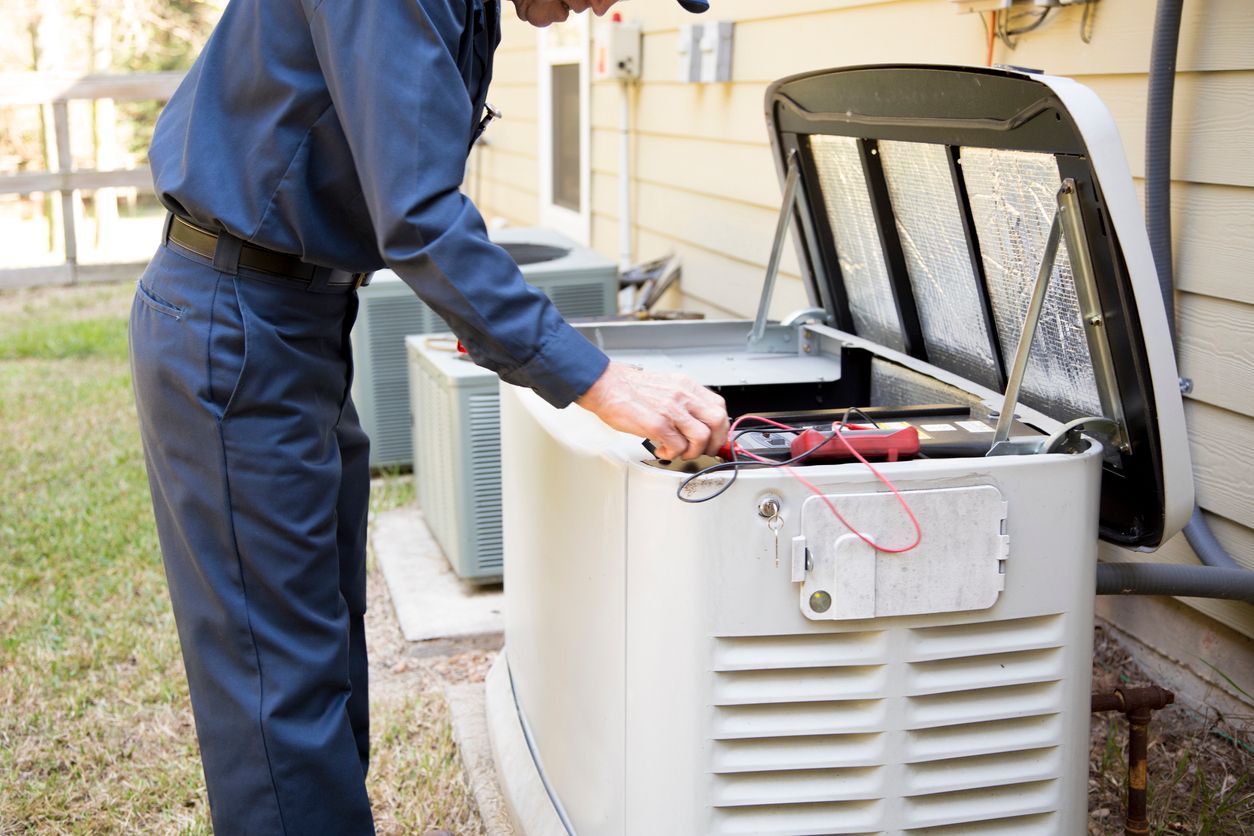
Simple check: Look for corrosion on terminals and test the battery with a multimeter.
When to call a pro: If the battery tests weak or shows signs of internal deterioration.
2. Low Coolant or Overheating
Generators generate heat just like car engines. If coolant levels are low, either due to leaks or evaporation, the unit can overheat, triggering shutdowns or damaging internal components. Overheating often shows symptoms like a burned oil smell, unusual engine noise, or a hot generator casing.
Quick check: Inspect coolant reservoir levels.
When to call a pro: If levels are consistently low or the generator overheats during operation.
3. Fuel or Oil Issues
Fuel problems can show up in a few ways, such as stale gasoline, contaminated fuel, incorrect fuel type, or leaks in the fuel line. Oil levels are equally critical: too little oil can cause premature wear, while too much oil can foul spark plugs and cause smoking.
Simple tip: Keep fuel fresh and check oil levels monthly.
When to call a pro: If you notice leaks, build-up around the engine, or foul spark plugs.
4. Circuit Trip or Electrical Faults
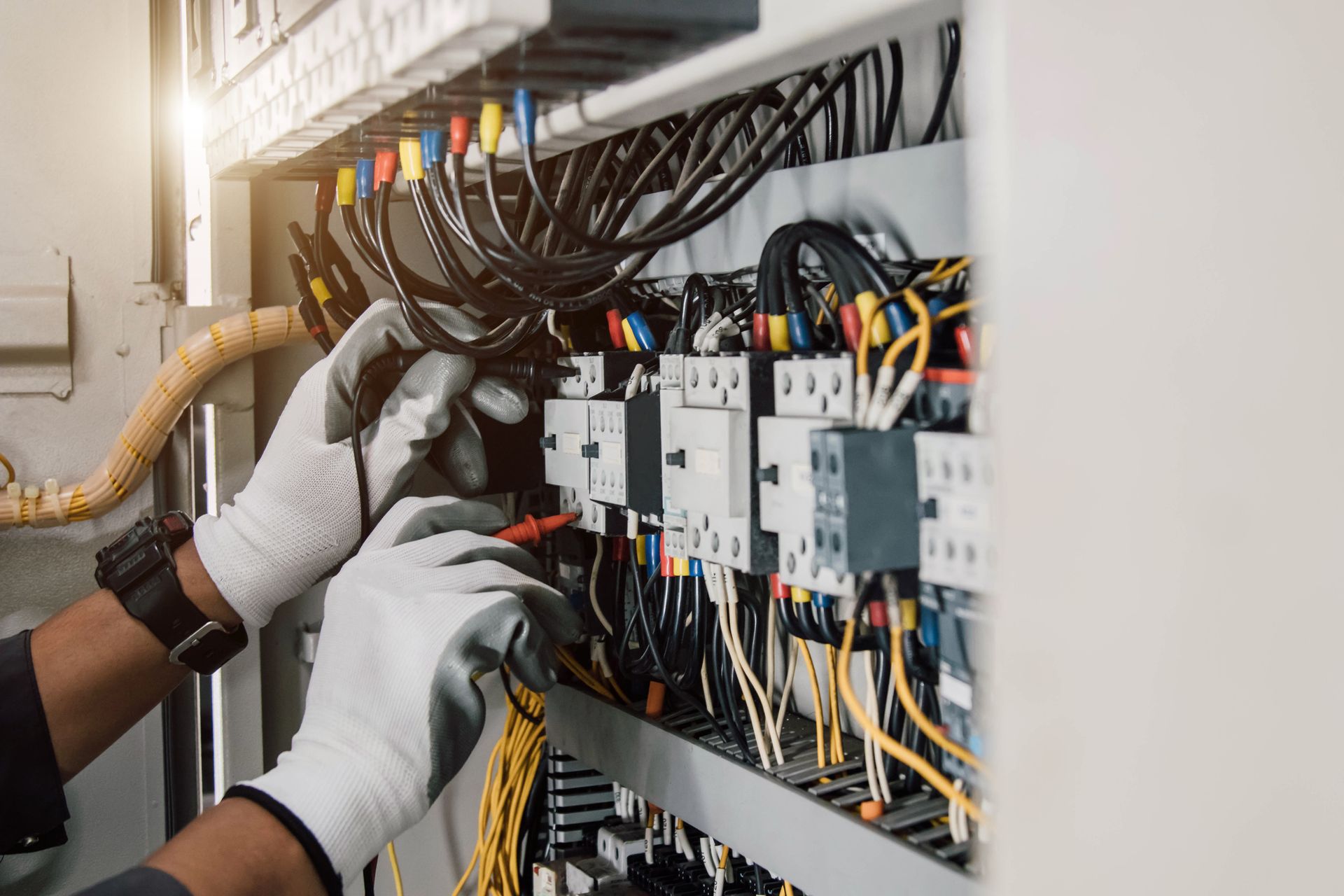
Generators have internal circuit breakers and safety systems. If a circuit trips frequently, this might point to an overload (too much appliance draw), loose wiring, or a failing panel component inside the generator.
Home test: Reset breakers and monitor whether the breaker trips again.
When to call a pro: Recurring electrical faults or visible sparks/arcing as these are a risk of fire.
5. Loud or Unusual Noises
Generators are not silent, but a sudden increase in noise, louder than expected or accompanied by rattles, clanks, grinding, or knocking, often indicates internal issues like loose components, worn bearings, or exhaust problems.
Monitor: Note when the noise occurs — startup, idle, or load conditions.
Call for help: If sounds persist after basic checks. Noises often escalate into bigger failures if unaddressed.
6. Starting Problems After Long Downtime
Generators that sit idle for long periods can develop issues like stale fuel, moisture, or rodent damage, or electrical shorts. Many generator owners don’t discover system problems until they attempt to use the generator during an outage. Regular startup checks help catch issues before they become emergencies.
Best practice: Run your generator at least every 6 months, even if you haven’t needed it.
Expert help: If it fails to run or runs poorly during a scheduled test.
Basic Troubleshooting Tips Before You Call for Generator Repair
You can perform a few simple checks to rule out minor issues:
- Check the battery for corrosion or low charge
- Inspect fuel and oil levels
- Ensure the generator is on a level surface
- Reset circuit breakers and examine any tripped safety switches
- Listen for unusual sounds and watch for smoke or leaks
However, these checks do not replace professional generator diagnostics. If anything falls outside of basic troubleshooting or involves internal electrical components, it’s critical to enlist
experienced technicians.
Tips to Extend the Life of Your Generator
1. Scheduled Maintenance
Annual or bi-annual tune-ups by trained technicians keep components clean, fluids fresh, and parts inspected. Maintenance also identifies minor issues before they shorten generator life.
Recommended: Annual service even if the generator hasn’t been used.
2. Regular Test Runs
Automatically scheduled weekly self-tests can catch issues early and help keep the battery charged. If your generator doesn’t run tests, set a reminder monthly.
3. Proper Installation
Generator performance and longevity start with correct installation. Level placement, proper ventilation, and correct fuel connections all impact reliability. Improper installation leads to performance issues and expensive repairs later.
4. Monitor for Weather & Seasonal Stress
Heavy load during extreme heat or cold can strain your generator. During long heat waves or deep freezes, periodic checks of coolant and oil levels help your system work smarter, not harder.
How to Choose the Right Generator Repair Service
Licensed & Insured Technicians
Always choose a provider with proper electrical credentials and insurance. In Virginia, a licensed master electrician ensures code-compliant safety and quality.
Manufacturer Training
Certified training — especially on brands like Generac® — means technicians understand your specific model’s quirks and recommended repair procedures.
Reputation & Reviews
Look for service reviews that highlight professionalism, reliability, and responsiveness. For Southern Virginia residents, strong local testimonials are key.
Service Guarantees & Warranty Support
Quality providers back their work with warranties and can often service parts under the manufacturer's warranty.
What Makes Generac Generators Ideal for Southern Virginia Homes
When it comes to whole-house standby power, not all generators are created equal, and for homeowners in Southern Virginia, Generac generators have earned a reputation for exceptional performance, reliability, and adaptability to the region’s needs.
1. Designed for Real-World Weather Challenges
Southern Virginia experiences a wide range of weather conditions throughout the year, from heavy thunderstorms and hurricane remnants to ice storms and extreme humidity. Generac generators are built to handle these diverse conditions with features like:
- All-weather aluminum or steel enclosures for corrosion resistance
- Cold-weather kits to ensure reliable starting in freezing temperatures
- Automatic voltage regulation, which protects sensitive electronics during fluctuating grid conditions
Whether you're on the coast, in a rural area, or near a busy suburban hub, a Generac system provides automatic standby power you can count on when the weather turns.
2. Seamless Whole-Home Integration
Unlike portable units that only power a few circuits, Generac standby generators can be customized to meet the needs of your entire household. From keeping your HVAC and kitchen appliances running to supporting medical equipment and security systems, these generators deliver whole-home coverage without manual setup.
With Vancelectric’s licensed installation team, your Generac generator is matched to your home’s unique electrical load, ensuring:
- Reliable performance under peak demand
- Fuel efficiency during long outages
- Scalable options based on home size and power priorities
3. Advanced Monitoring & Smart Technology
Generac systems are known for user-friendly features, such as Mobile Link™ Remote Monitoring, which lets you check your generator's status from anywhere using a smartphone or tablet. This gives homeowners real-time alerts and maintenance reminders, a major convenience during Southern Virginia’s unpredictable storm seasons.
Technologies like:
- Automatic transfer switches
- Smart load management
- Scheduled weekly self-tests
With all of these, your generator is always ready without constant manual oversight.
4. Backed by Local, Certified Support
Choosing a Generac generator also means access to a nationwide service network. In Southern Virginia, it’s the local expertise that matters. Vancelectric is a factory-authorized Generac dealer with trained technicians who specialize in:
- Generator installation
- Preventive maintenance
- Genuine parts replacement
- In-warranty and out-of-warranty repairs
This partnership means your generator stays covered, supported, and serviced by a team you can trust, right in your community.
5. Long-Term Value and Peace of Mind
Generac generators are built to last up to 20–25 years with proper maintenance. When installed and maintained by certified professionals like the team at Vancelectric, these systems provide long-term value with:
- Fewer unplanned repairs
- Reduced risk of system failure during outages
- Reliable operation year after year
For Southern Virginia homeowners who value safety, comfort, and continuity during weather emergencies, Generac’s reliability is hard to beat.
Frequently Asked Questions About Generator Repair
Q: How often should I have my generator serviced?
A: At least once a year, and more often if you live in an area with frequent outages or heavy use.
Q: Can I do my own generator maintenance?
A: Basic checks like fluid levels and battery inspection are fine, but most maintenance should be done by trained technicians.
Q: How long do Generac generators last?
A: With proper care, Generac standby generators can last 25 years or more.
Q: What’s the difference between generator repair and maintenance?
A: Maintenance keeps your generator running smoothly and prevents issues. Repair fixes specific problems when they arise.
Q: When should I replace my generator instead of repairing it?
A: Frequent major breakdowns, obsolete parts, or damage to the engine might make replacement more economical.
Protect Your Southern Virginia Home with Expert Generator Repair
Your standby generator is more than just a backup; it’s a safeguard for your comfort, safety, and peace of mind. Understanding warning signs and regular care can prevent most failures. But when you encounter persistent issues. especially electrical, mechanical, or performance-related, it’s time to call a trusted professional.
Partnering with a reputable, licensed electrical contractor trained on Generac systems ensures your generator stays dependable for years to come. Don’t wait for the next outage to find out your system needs help.
Schedule professional generator diagnosis, repair, or maintenance today.
Why Hiring a Licensed Electrician in North Carolina is Crucial for Your Home's Safety and Compliance


Vance Cowper
Owner
Vance Cowper, the owner of the company, has built a reputation for excellence in the field of generator sales, installation, and service, with a specialization in portable, residential, and commercial systems.
With over 25 years of experience in electrical construction and maintenance, including 13 years focused on facility maintenance, Vance and his team are committed to providing expertly installed generator systems, including whole house generators. These systems ensure the safety and security of families during power outages, offering peace of mind with affordable home standby generators that protect against utility power loss.
Vance is a Virginia-licensed master electrician and electrical contractor. He has also received extensive training from Generac® on commercial generators. In addition, he is a certified infrared thermographer, further enhancing his technical expertise.
His team consists of manufacturer-certified technicians who are trained to handle both residential and commercial installations. Each installation adheres to code-compliant design standards and uses high-quality copper wiring. Additionally, all generator systems are backed by the manufacturer’s warranties and include a multi-point inspection to ensure long-term performance.