Portable Generator Safety Checklist for Hurricane Season in NE North Carolina

Vanceelectric • May 4, 2026

When hurricane season approaches in Northeast North Carolina, preparation is not optional—it is essential. Power outages can last for hours, days, or even weeks, leaving homes without refrigeration, lighting, air conditioning, or support for medical devices.


That is why having a reliable portable generator—and knowing how to use it safely—can make all the difference.

This comprehensive portable generator safety checklist is designed specifically for homeowners in NE North Carolina.


Whether you are new to generators or upgrading your current setup, these tips will help you stay safe, protect your home, and ensure uninterrupted power when you need it most.


Why Portable Generator Safety Matters During Hurricane Season


Portable generators are powerful tools, but they also pose serious risks when used improperly. Carbon monoxide (CO) poisoning, electrical hazards, and fire risks are all common concerns during storm-related outages.


According to SEO best practices, content should solve a clear problem for the reader while remaining relevant and actionable —and in this case, your safety is the priority.


Residents across NE North Carolina—from coastal communities to inland towns—face unique challenges during hurricane season, including flooding, high winds, and prolonged outages. Understanding generator safety is not just helpful—it is critical.


How to Choose the Right Portable Generator for Your Home


Not all portable generators are created equal, and choosing the right one for your home in NE North Carolina is essential for both safety and performance during hurricane season.


Determine Your Power Needs


Start by identifying which appliances and systems you need to power during an outage. Most homeowners prioritize:

  • Refrigerators and freezers
  • Lights and fans
  • Medical equipment
  • Sump pumps or well pumps


Each device requires a specific wattage to start and run. Choosing a generator with sufficient capacity ensures you will not overload the system or risk damaging your equipment.


Consider Fuel Type and Runtime


Portable generators typically run on gasoline, propane, or dual-fuel systems. Each option offers different benefits:

  • Gasoline generators are widely available and easy to refuel
  • Propane generators burn cleaner and store longer
  • Dual-fuel models provide added flexibility during extended outages


Runtime is another key factor, especially during hurricanes when fuel access may be limited. Look for models that can run for extended periods on a single tank.


Noise Level and Portability


In residential areas across NE North Carolina, noise can be a concern—especially during prolonged outages. Many modern generators are designed for quieter operation, making them more neighborhood-friendly.


Portability is also important. Look for models with:

  • Durable wheels
  • Compact frames
  • Easy-start features


Why Generac Products Stand Out


Generac is one of the most trusted names in backup power solutions. Their portable generators are known for:

  • Reliable performance in severe weather
  • User-friendly controls
  • Durable construction built for long-term use


Working with a trusted provider like Vanelectric ensures you get expert guidance in selecting the right Generac generator for your home’s specific needs.


Safe Placement: Where You Put Your Generator Matters


One of the most important rules of generator safety is proper placement.


Never Operate Indoors


Portable generators should never be used inside your home, garage, crawl space, or enclosed porch—even if doors or windows are open. Carbon monoxide is odorless and deadly, and it can build up quickly in enclosed spaces.


Maintain Safe Distance


Always place your generator:

  • At least 20 feet away from your home
  • Downwind from doors, windows, and vents
  • On a flat, dry surface


Avoid Flood-Prone Areas


In hurricane-prone regions like NE North Carolina, flooding is a real concern. Keep your generator elevated and away from standing water to prevent electrical hazards.


Carbon Monoxide (CO) Safety: The Silent Danger


Carbon monoxide poisoning is one of the leading causes of generator-related fatalities during storms.


Install CO Detectors


Every home using a portable generator should have:

  • Battery-operated or battery-backup CO detectors
  • Detectors are installed on every level of the home


Know the Symptoms


Watch for signs of CO exposure:

  • Headaches
  • Dizziness
  • Nausea
  • Confusion


If you suspect CO poisoning, evacuate immediately and call emergency services.


Safe Operation: How to Use Your Generator Properly


Operating your generator correctly ensures both efficiency and safety.


Read the Manufacturer’s Instructions


Each generator model is different. Always follow the manufacturer’s guidelines for:

  • Startup procedures
  • Load capacity
  • Maintenance schedules


Do Not Overload the Generator


Overloading can damage your generator and appliances. Prioritize essential devices like:

  • Refrigerators
  • Medical equipment
  • Lights
  • Sump pumps


Use Heavy-Duty Extension Cords


Only use:

  • Outdoor-rated extension cords
  • Cords with sufficient wattage capacity


Avoid running cords through windows or doors where they can be pinched or damaged.


Fueling Safety: Prevent Fires and Accidents


Fuel handling is another major safety concern during hurricane season.


Turn Off Before Refueling


Never add fuel while the generator is running or hot. Allow it to cool down first to prevent accidental ignition.


Store Fuel Properly


Keep gasoline in:

  • Approved fuel containers
  • Well-ventilated, secure areas away from living spaces


Avoid Fuel Spills


Spilled fuel can ignite quickly. Always refuel carefully and clean up any spills immediately.


The Importance of Professional Installation and Support


While portable generators are designed for flexibility, having professional guidance ensures they are used safely and effectively.


Working with a trusted local provider like Vanelectric gives homeowners in NE North Carolina access to:

  • Expert recommendations
  • Proper setup guidance
  • Ongoing maintenance support


Professional oversight helps reduce risks and ensures your generator performs when it matters most.


Why Choose a Certified Generac Dealer


Not all generator providers are created equal. Choosing a certified Generac dealer offers several advantages.


Access to High-Quality Generac Products


Generac is a leading name in backup power solutions, known for:

  • Reliable performance
  • Durable construction
  • Advanced safety features


Expert Knowledge and Training


Certified dealers have specialized training in:

  • Product selection
  • Installation best practices
  • Troubleshooting and repairs


Long-Term Support


From routine maintenance to emergency service, working with a certified dealer ensures you are never left without support during critical moments.


Portable vs. Standby Generators: What Is Right for You?


While portable generators are a great option for many households, it is worth considering whether a standby home generator might better suit your needs.


Portable Generators


Best for:

  • Temporary power needs
  • Budget-conscious homeowners
  • Flexibility and mobility


Standby Home Generators


Best for:

  • Automatic power during outages
  • Whole-home coverage
  • Long-term reliability


Standby generators are permanently installed and can automatically start when power goes out, offering peace of mind during severe storms.


Serving NE North Carolina: Local Expertise You Can Trust


Hurricane preparedness is not one-size-fits-all. Residents in NE North Carolina need solutions tailored to the region’s unique weather patterns and infrastructure.


Vanelectric proudly serves communities across Northeast North Carolina, providing:

  • Portable generator services
  • Standby generator installation
  • Maintenance and repairs


Their local expertise ensures homeowners receive recommendations that truly fit their environment and needs.


Benefits of Routine Generator Service and Maintenance Plans


Owning a portable generator is only part of the equation—keeping it properly maintained is what ensures it works when you need it most.


Prevent Unexpected Failures


The last thing you want during a hurricane is a generator that will not start. Routine maintenance helps identify potential issues before they become major problems, reducing the risk of failure during an outage.


Extend the Life of Your Generator


Like any mechanical equipment, generators experience wear and tear over time. Regular service—including oil changes, filter replacements, and system checks—helps extend the lifespan of your investment.


Ensure Safe Operation


A poorly maintained generator can pose serious safety risks, including fuel leaks, electrical issues, and carbon monoxide hazards. Professional inspections ensure your system is operating safely and efficiently.


Stay Ready for Hurricane Season


In NE North Carolina, hurricane season is predictable—even if the storms themselves are not. Scheduling routine maintenance before the season begins ensures your generator is ready to perform when severe weather hits.


Priority Support When You Need It Most


Working with a trusted local provider like Vanelectric means you will have access to reliable service and support when it matters most. From routine tune-ups to emergency assistance, having a professional team on your side adds an extra layer of confidence during storm season.


Portable Generator Maintenance Tips


Proper maintenance keeps your generator ready when you need it most.


Perform Regular Inspections


Check for:

  • Fuel leaks
  • Damaged cords
  • Loose connections


Run the Generator Periodically


Running your generator every few months helps:

  • Keep internal components lubricated
  • Identify potential issues early


Replace Oil and Filters


Follow manufacturer guidelines for:

  • Oil changes
  • Air filter replacements


Routine maintenance extends your generator’s lifespan and ensures reliable performance during emergencies.


Hurricane Season Generator Checklist


Use this quick checklist to prepare your generator before a storm hits:

  • ✔ Place the generator at least 20 feet from your home
  • ✔ Install and test CO detectors
  • ✔ Stock up on fuel and store it safely
  • ✔ Inspect extension cords and connections
  • ✔ Review manufacturer instructions
  • ✔ Schedule professional maintenance if needed
  • ✔ Identify essential appliances to power
  • ✔ Keep your generator dry and elevated


Preparation now can prevent dangerous situations later.


Frequently Asked Questions


How far should a portable generator be from my house?


A portable generator should be placed at least 20 feet away from your home, with exhaust directed away from doors and windows.


Can I run a generator in my garage if the door is open?


No. Even with the door open, carbon monoxide can accumulate quickly and pose a serious health risk.


How long can I run a portable generator continuously?


This depends on the model, but most generators can run for 8–12 hours on a full tank. Always follow manufacturer guidelines.


Is professional installation necessary for portable generators?


While not always required, professional guidance ensures safe setup, proper usage, and compliance with safety standards.


What is the difference between portable and standby generators?


Portable generators require manual setup and fueling, while standby generators are permanently installed and automatically provide power during outages.


Stay Safe and Prepared This Hurricane Season


Hurricane season in NE North Carolina demands preparation, and having a portable generator is a smart investment. But safety should always come first.


By following this portable generator safety checklist, you can protect your home, your family, and your peace of mind during even the most severe storms.


If you are looking for reliable portable generator service, expert guidance, and trusted Generac products, Vanelectric is a dependable local resource ready to help you prepare with confidence.
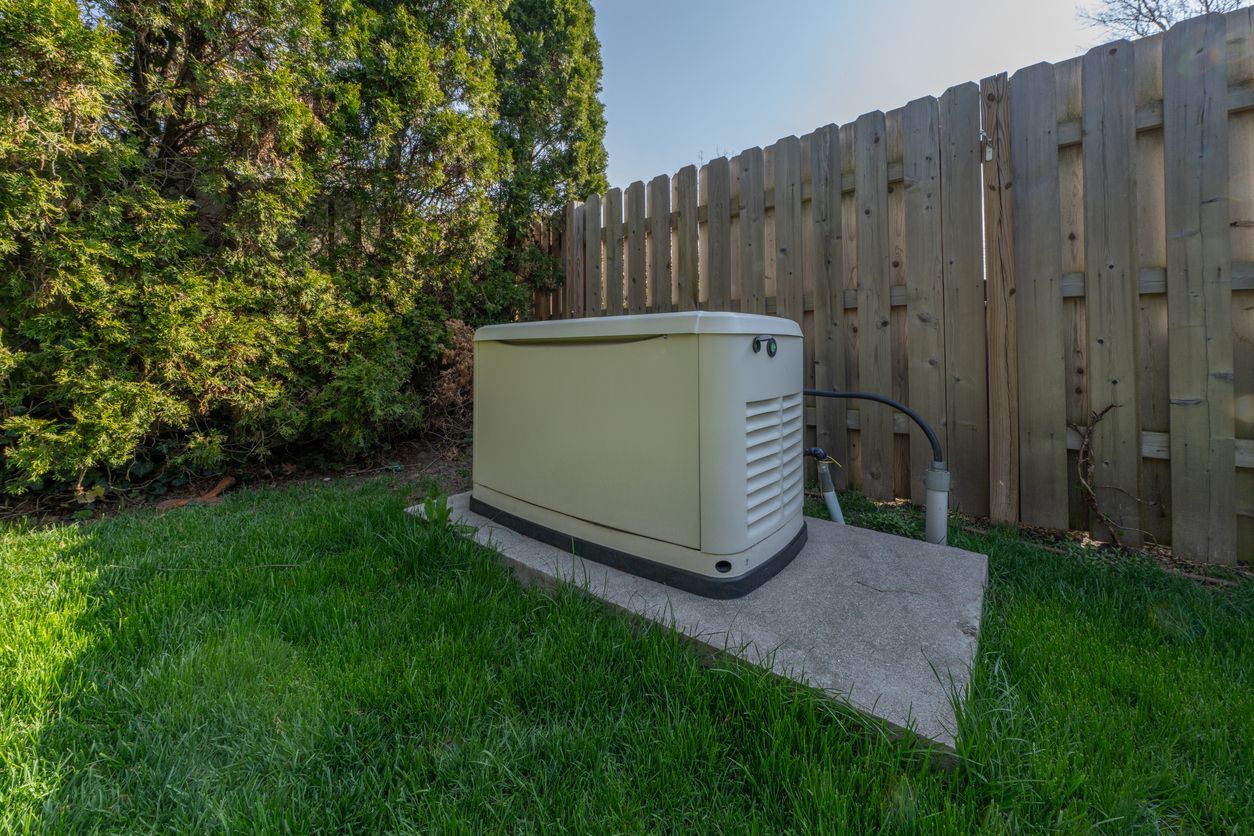
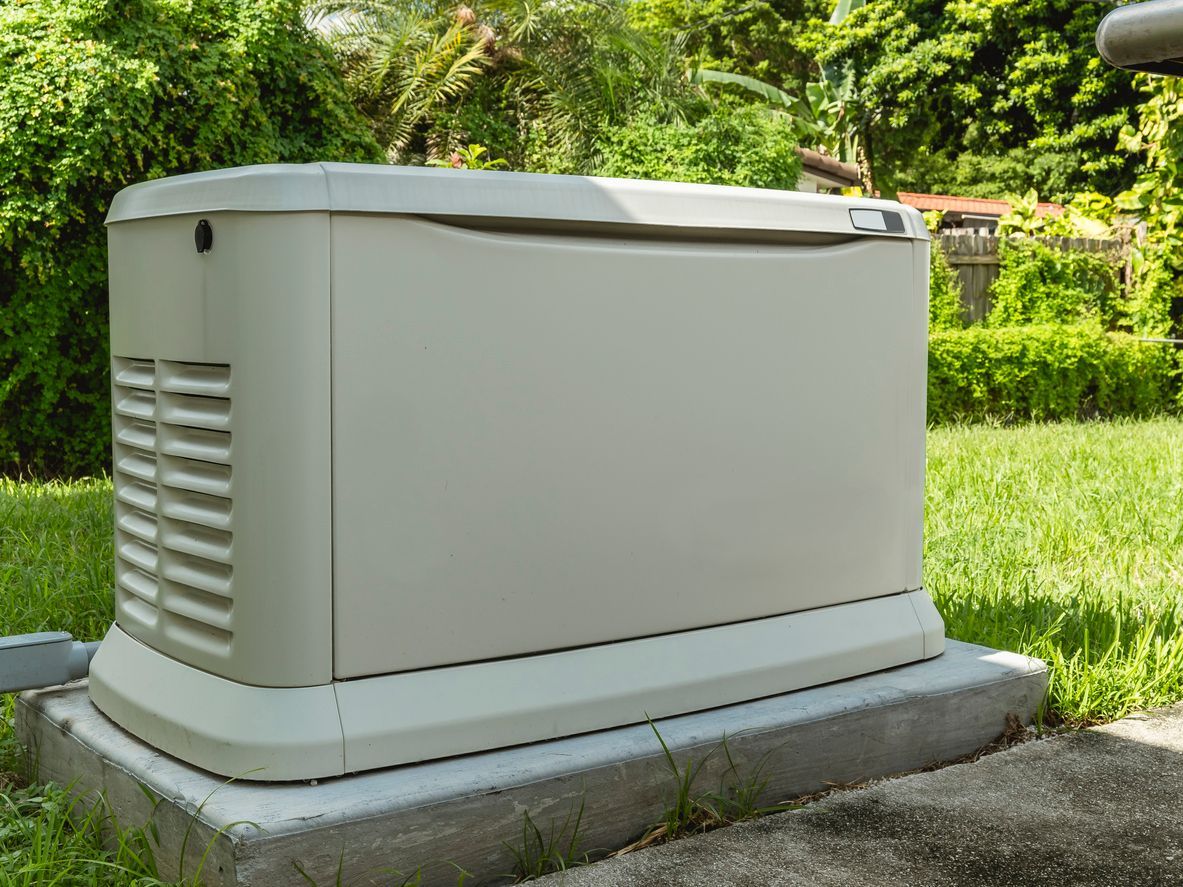
Beige home generator on a concrete pad, surrounded by grass and greenery.
By Vanceelectric February 23, 2026
Discover common Generac generator issues in Southern Virginia. Learn when to troubleshoot vs. call Vancelectric’s expert repair team. Get maintenance tips & answers to FAQs.
Electrician in hardhat wiring ceiling, standing on a ladder.
By Vanceelectric December 24, 2025
Learn why hiring a licensed electrician in North Carolina protects your home, ensures code compliance, and prevents costly electrical hazards.
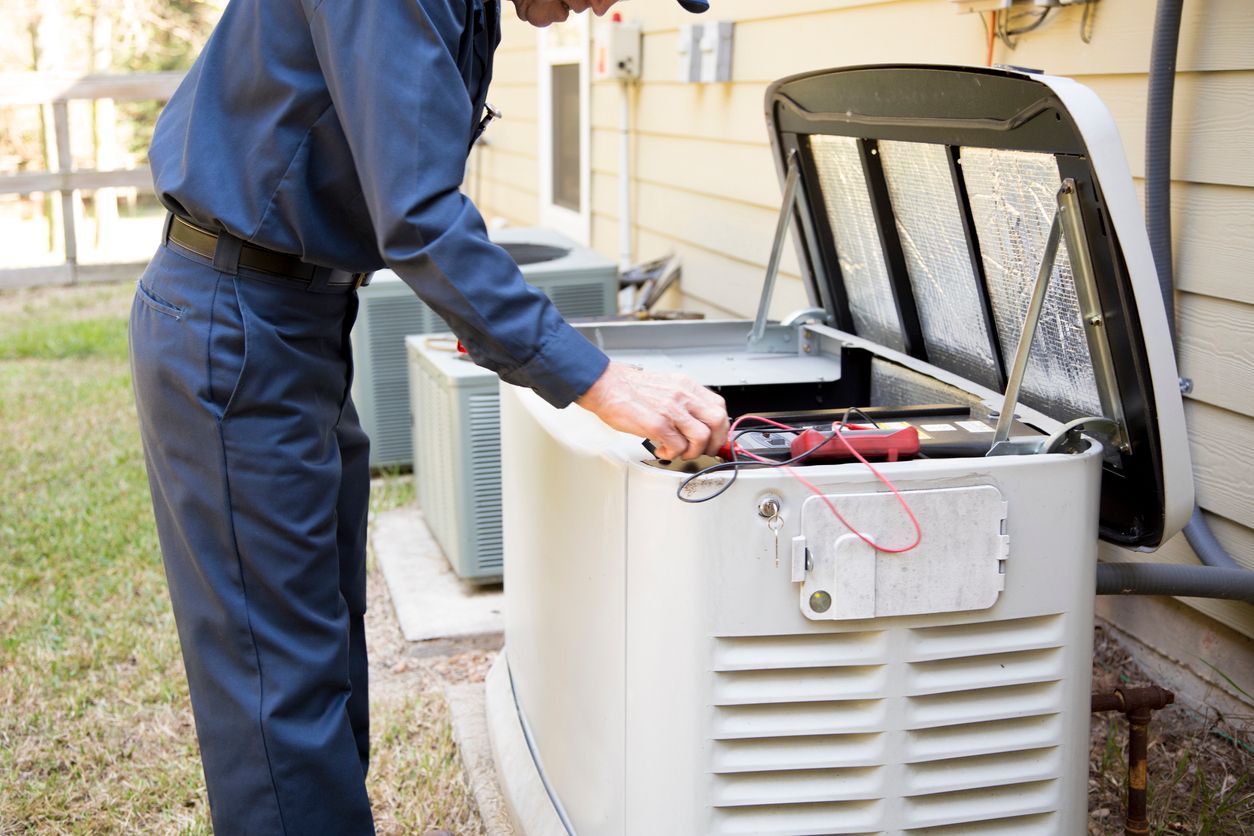
A person in blue overalls tests a generator with a multimeter outdoors.
By Vanceelectric October 31, 2025
Discover how to choose the right Generac generator for your Southern Virginia home. Learn installation tips and benefits with expert guidance from Vanelectric.
Person wearing gloves working on electrical wiring inside a panel.
By Vanceelectric August 20, 2025
Electrical repairs made easy in Eure, NC. Learn when to call a licensed electrician, the risks of DIY fixes, and why Vancelectric is the trusted choice for safe, reliable electrical installations and repairs.
By Vanceelectric June 9, 2025
Power's out. Your fridge is warming up, the Wi-Fi's dead, and your neighbors are already texting in panic. What now? A generator sounds like the hero move, but do you go portable or install a standby beast that kicks in automatically? If you want freedom on the go, portability is the clear choice. If you want zero hassle when storms hit, standby takes the crown. One's flexible, one's foolproof. The right call depends on how you live and what you're willing to risk when the grid fails. Skip the guesswork. Read on to learn all about portable vs. standby generators . What Is a Portable Generator? A portable generator is a compact, movable power source designed to deliver electricity wherever and whenever it's needed. Most models run on gasoline, though some use diesel, propane, or even solar-charged batteries. These generators are especially useful during: Temporary power outages Outdoor events Job sites Emergency disaster relief scenarios Because they aren't permanently installed , they can be wheeled out and connected quickly where traditional electrical access is unavailable, then stored when not in use. Portable Generator Benefits Portable generators deliver power without the long-term commitment. One of their biggest advantages is mobility. You're not locked into one location or a single purpose. Whether you're facing a surprise blackout, heading off-grid for a weekend, or powering tools at a remote job site, a portable generator moves with you. Affordability is another major draw. Compared to standby systems, portable generators come with a lower upfront cost and don't require professional installation . That makes them especially attractive to renters, seasonal property owners, or anyone who doesn't want to modify their electrical setup. And when maintained properly, high-quality home power solutions can last for years, delivering dependable performance without draining your wallet . Setup is usually simple. Most models start with a pull cord or push-button ignition, and connecting appliances via extension cords or a manual transfer switch can be done without specialized training. Some newer models even include inverter technology, which provides clean, stable power for sensitive electronics like laptops and medical equipment. Generator Buying Guide: What is a Standby Generator? A standby generator is a permanent backup power solution that automatically kicks in when the main electrical supply goes down. Unlike portable generators, these systems are hardwired into your home or business's electrical panel and typically run on natural gas or propane. When the power cuts out, a standby generator starts within seconds. There's no need to wheel it out, refuel, or manually connect anything. It's designed for reliability, convenience, and long-duration power support. Standby Generator Features Standby generators are all about preparedness. The moment your primary power goes down, a standby system powers up automatically: no scrambling for cords, no fuel runs, no guesswork. That seamless transition is one of its biggest advantages, especially for homeowners with critical needs like: Medical equipment Refrigerated medications Sump pumps Security systems It keeps the essentials going without you having to lift a finger . What sets a standby generator apart isn't just automation, it's coverage. These systems are designed to handle significant electrical loads, which means you don't have to choose between keeping the fridge on or running the AC because you can do both. Unlike portable generators that may only support a few outlets or appliances, standby units can power an entire property, from lights and HVAC to internet routers and electric stoves. They also eliminate some of the recurring headaches of portable units. Standby generators are permanently installed, wired into your panel, and fueled by natural gas or propane, so you don't have to manage extension cords or gasoline cans. Many models come with smart monitoring tools, so you can track system performance, fuel status, and maintenance schedules right from your phone. Making The Choice For You Choosing between a portable and standby generator isn't just about price tags or power output; it's about how you live, what you need, and how prepared you want to be. If your power outages are rare, short-lived, and you're mostly looking to keep the fridge running or charge devices, a portable generator may be all you need . It's flexible, budget-friendly, and doesn't require permanent installation. For occasional backup or on-the-go use, it's a clear win. But if you: Live in a region with frequent storms Live in a house with aging infrastructure Have live-in family members who rely on uninterrupted electricity Run a home-based business that can't afford downtime A standby system makes a stronger case for backup generators . It offers automatic, full-scale coverage and peace of mind that extends beyond just keeping the lights on. That kind of reliability can be especially important for households with medical devices, remote workers, or families with young children or seniors. There's also the long view to consider. Portable generators come with ongoing fuel management and manual labor, while standby systems are mostly set-it-and-forget-it. Your tolerance for hassle (or your desire to avoid it) can be a deciding factor . The Case for Dual Coverage For some homeowners and business owners, the smartest move isn't picking between a portable and standby generator for installation , it's combining both. Dual coverage offers layered protection that covers a broader range of scenarios. A standby generator ensures uninterrupted power during long outages, automatically taking over when the grid goes down. But a portable generator adds flexibility, giving you backup. This approach is especially practical in areas prone to extreme weather or infrastructure issues. If a natural gas supply is ever disrupted, having a portable gasoline or propane-powered unit as a backup to your backup can keep critical items running. On the other hand, if your standby generator requires servicing or is temporarily offline, your portable model can fill the gap. There's also a strategic advantage when it comes to prioritizing power. While your standby system can run the entire house, a portable generator allows you to power only the essentials in a pinch or during maintenance, without overtaxing your main unit . Choosing The Right Provider No matter which type of generator you choose, the provider you work with can make or break the experience. A quality provider isn't just someone who sells you equipment; they guide you through: Generator sizing Selection Installation Maintenance Emergency support They should take the time to understand your power needs, inspect your property, and prepare your home . Then, they can recommend a system that fits your lifestyle and budget without overselling. If you're leaning toward a standby generator, choose a licensed contractor with experience in permanent installations and a solid grasp of local permitting rules and utility hookups. Look for providers who offer turn-key service, which means they handle everything: from electrical work and gas line connections to final inspections. Check whether they're certified by major manufacturers, as that often signals deeper product knowledge and access to factory support. For portable units, a good provider will still offer value beyond the sale. Do they stock replacement parts? Offer guidance on safe operation and storage? Carry models with proper safety features like carbon monoxide sensors or inverter technology for electronics? You should also consider ongoing support. Do they offer regular maintenance? Will they service what they sell? Can they respond quickly when there's a problem? What warranties are available? Maintaining Your Generator Once you've picked the right generator, the next step is making sure it's always ready to go , because even the most powerful unit won't help you if it fails at the wrong moment. Idle generators can develop issues just from sitting. Power it up every few months for 15 to 30 minutes, even during mild seasons. This helps circulate oil and flag any issues before they become emergencies . For portable models, old fuel is a top cause of startup failure. Use fuel stabilizers if you're storing gas for more than a month, and always drain the tank if you plan to store the generator long-term. For standby systems running on propane or natural gas, ensure your supply line is clear and regularly inspected. Every generator has its rhythm, but oil levels should be checked before and after heavy use. Replace the oil and air filters on schedule or more frequently if you're in a dusty or humid environment. A clean system runs cooler and lasts longer. Damaged cords or loose plugs are not only inconvenient but also dangerous. Look for fraying, corrosion, or signs of wear. On standby units, inspect the control panel for error messages or warning lights, and don't ignore small alerts, as they are early warnings. At least once a year, have a technician inspect your unit top to bottom. They'll catch issues you might overlook, update firmware if needed, and test performance under simulated load. Many providers offer maintenance contracts to simplify this process. Portable vs. Standby Generators: Now You Know When it comes to the question of portable vs. standby generators , both options have many amazing benefits. Use this guide, and you'll be able to make the right choice for your needs. Whether you're eyeing the convenience of a standby system or the flexibility of a portable generator, VANCELECTRIC has your power solution in stock and ready to install. As a Generac Power Pro Elite Dealer serving Northeastern North Carolina and Southeastern Virginia, we offer licensed generator installation, responsive repairs, and real person support that's actually local . Contact us today and find out why homeowners trust Vancelectric to keep their homes (and loved ones) safe when the grid goes down.
By Vanceelectric April 28, 2025
Panic sets in when the lights go out, but it doesn't have to. Whether it's storm season chaos or an unexpected grid failure, your Generac generator is supposed to be your calm in the storm. But what if it stumbles when you need it most? That's where a local Generac dealer makes all the difference for generator service and repair . Instead of wrestling with generic support hotlines and long wait times, imagine calling someone who already knows your system, your climate, and the quirks of your setup. Want your generator to work flawlessly when it matters most? Let's go through the benefits of partnering with experts for generator service and repair . Generac Dealer Benefits: Fast Response Times When You Need It Most When your power goes out, every second feels like an hour, and if your generator isn't responding, you don't have the luxury of waiting days for a callback. Partnering with a local Generac dealer for servicing means you're never stuck in a nationwide service queue or relying on out-of-town contractors juggling multiple zip codes. Local dealers are embedded in your area and prioritize nearby customers, often offering same-day or next-day service. That proximity leads to: Faster diagnostics Quicker repairs Less downtime Reliable communication with real people When you need backup power the most, whether it's a storm knocking out the grid or an unexpected equipment issue, local teams can dispatch quickly with the tools and expertise ready to go . Genuine Generac Parts and Factory Training Local Generac dealers are authorized to use only genuine Generac replacement parts for installations , which are engineered specifically for your system's make and model. These aren't generic substitutes that "should" fit. They're factory-tested components designed for reliability and longevity. Local dealers receive direct training from Generac. That means their technicians stay current on: The latest models Firmware updates Diagnostic tools Repair procedures Whether your system is brand-new or a few years old, you'll get expert generator service that meets factory standards, not guesswork. It's this level of precision and accountability that can deliver the generator maintenance you need. Ongoing Support That Doesn't Disappear With a local Generac dealer, service doesn't end when the job is done. Unlike third-party contractors or out-of-state technicians who vanish after a quick fix, local dealers stay involved . They offer routine maintenance plans and direct support when anything feels off. You're not left with a service number and a waiting game. You have a name, a direct line, and a relationship. That continuity means they know your installed system's history, past issues, and how your generator performs under real-world conditions. Whether you need a minor adjustment or a full tune-up, they're already familiar with the setup. Flexible Scheduling and Personal Service A local Generac dealer understands that every home and schedule is different, which is why they offer appointment times that actually work for you. Whether you need early morning, evening, or even weekend service, local teams are far more likely to accommodate your availability compared to national providers bound to rigid time slots and overbooked service routes. More than that, the experience is personal. You're not routed through a generic call center or left guessing when someone will show up. You deal directly with people who know your name, your system, and your neighborhood. That kind of service creates trust and reduces the frustration that often comes with home repairs. Support That Scales With Your Needs When your power needs evolve, a local Generac dealer is already in a position to adapt your generator setup to match, without starting from scratch. Because they've serviced your system and understand its history, a local dealer can recommend the right upgrades , from increased load capacity to smarter transfer switch options or remote monitoring capabilities. They're not there for a one-time repair: they're your long-term power partner . Seasonal Tune-Ups You Can Actually Schedule Cold snaps, heat waves , and storm seasons all put added strain on your generator. If it hasn't been serviced, small issues can turn into big failures fast. That's where a local Generac dealer makes all the difference. Local dealers offer seasonal tune-ups that are easy to schedule and tailored to your regional climate. They'll proactively check your oil levels, battery strength, air filters, coolant system, and software settings to ensure everything is running at peak condition before you actually need backup power. Since they're nearby, appointments are easier to lock in and quicker to complete: no waiting weeks for an available technician . Safer Installs for Unique Property Types No two properties are exactly alike. A one-size-fits-all approach to generator installation can lead to serious safety risks or system inefficiencies. Whether your home has: An older electrical system A detached garage Limited outdoor space Sits on a sloped lot A local Generac dealer has likely seen it before. Their familiarity with neighborhood layouts and building types gives them a major edge when designing and executing a safe, code-compliant install. They don't guess. They assess your property firsthand, account for ventilation, distance to fuel sources, clearance requirements, and flood or fire risk zones. The result is a cleaner, safer setup that functions smoothly and passes inspection without delays . Transparent Estimates With No Surprise Fees Nobody likes hidden charges or last-minute markups. One of the clearest advantages of working with a local Generac dealer is the upfront honesty in pricing . You won't be left guessing what a service call will cost or blindsided by charges that weren't discussed. Most local dealers offer free on-site estimates and walk you through the details before any work begins. This kind of transparency builds trust. You know exactly what you're paying for from a repair service . And because local teams aren't working on commission, their recommendations are driven by what your system actually needs, not what inflates the bill. Generator Service and Repair: Find Some Experts There are so many benefits to working with experts for generator service and repair . So, what are you waiting for? At Vancelectric, LLC, we don't just install Generac generators. We're a PowerPro Elite Dealer with nearly three decades of hands-on expertise across NE North Carolina and SE Virginia. Whether you need routine maintenance or a total system upgrade, our licensed, insured, and non-commissioned team delivers peace of mind on your schedule, not ours. Request your FREE in-home assessment today.
A yellow and black vehicle is parked on the side of the road.
By Vanceelectric March 18, 2025
Discover the ultimate home backup power solutions for you. Explore efficient options to keep your home safe and powered. Click to learn more!
There is a large machine in the middle of the room.
By Vanceelectric February 26, 2025
Protect your investment with routine generator servicing and maintenance. Find out how it maximizes your generator's lifespan and ensures efficiency.
A living room with a flat screen tv on the wall and a coffee table.
By Vanceelectric December 30, 2024
Is your home safe from electrical hazards? This blog will teach you when and why to upgrade your home electrical system and keep your family protected!
A white electric car is being charged with an orange cord.
By Vanceelectric October 18, 2024
Home EV charging stations require professional wiring. Discover how to install Tesla charger upgrades without undermining your electrical safety and compliance.
Vance Cowper Profile

Vance Cowper

Owner

Vance Cowper, the owner of the company, has built a reputation for excellence in the field of generator sales, installation, and service, with a specialization in portable, residential, and commercial systems.


With over 25 years of experience in electrical construction and maintenance, including 13 years focused on facility maintenance, Vance and his team are committed to providing expertly installed generator systems, including whole house generators. These systems ensure the safety and security of families during power outages, offering peace of mind with affordable home standby generators that protect against utility power loss.


Vance is a Virginia-licensed master electrician and electrical contractor. He has also received extensive training from Generac® on commercial generators. In addition, he is a certified infrared thermographer, further enhancing his technical expertise.


His team consists of manufacturer-certified technicians who are trained to handle both residential and commercial installations. Each installation adheres to code-compliant design standards and uses high-quality copper wiring. Additionally, all generator systems are backed by the manufacturer’s warranties and include a multi-point inspection to ensure long-term performance.